10 Essential Tips to Begin Your Natural Hair Journey
6/23/20255 min read
Understanding Your Hair Type
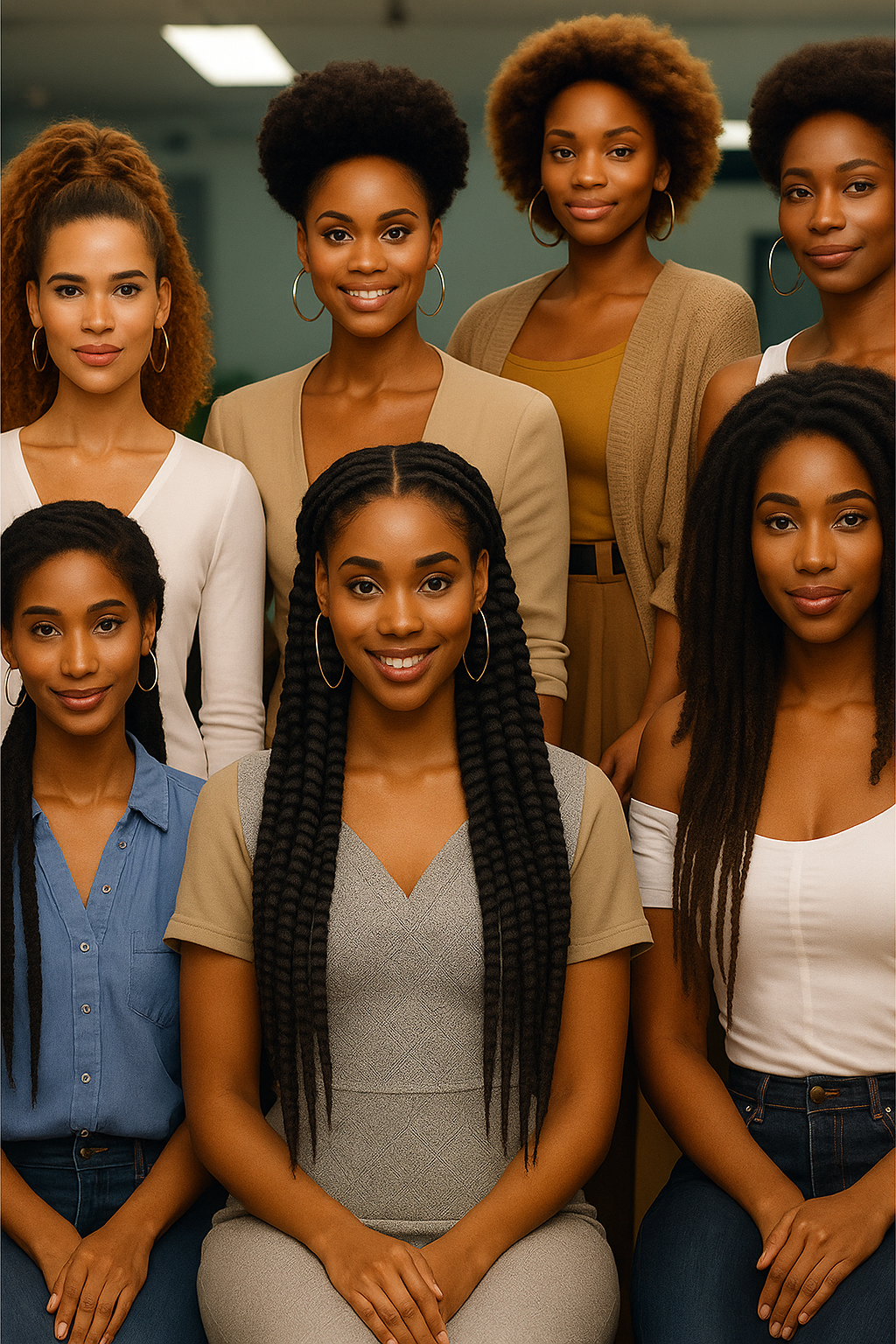
Before embarking on your natural hair journey, it is essential to grasp the various classifications of hair types and textures. Natural hair is broadly categorized into four main types: Type 1A, 1B, 1C (straight hair), Type 2A, 2B, 2C (wavy hair), Type 3A, 3B, 3C (curly hair), and Type 4A, 4B, 4C (coily hair). Each type possesses unique characteristics, influencing the way hair appears and behaves.
Understanding your specific hair type is the first step towards cultivating healthy, natural hair. To identify your hair type, it is advisable to observe its natural state when damp or washed but not yet styled. For instance, Type 1 hair will generally appear straight with minimal wave, while Type 2 hair may exhibit loose waves, and Type 3 and 4 hair will show varying degrees of curls or coils. Recognizing these patterns is integral to developing a hair care routine tailored to your needs.
Moreover, acknowledging your hair's porosity and density can further refine your understanding. Porosity refers to how readily your hair absorbs moisture, while density indicates the thickness of your hair strands. This knowledge can guide you in selecting appropriate products that deliver moisture and nourishment, thereby supporting healthy hair growth. It is also important to take note of your scalp health, as this can impact the overall condition of your hair.
Understanding your hair type is not merely a preliminary step; it establishes the foundation for your hair care regimen. By choosing products and techniques suited to your specific classification, you can more effectively promote your hair's health, thereby fostering a successful natural hair journey.
The Importance of Keeping Your Hair Healthy
Embarking on a natural hair journey necessitates an understanding of the vital role that hair health plays in achieving a successful transformation. Healthy hair not only enhances your overall appearance but also lays the groundwork for growth and resilience against common challenges associated with natural textures.
Moisture retention is a crucial factor in maintaining hair health. Natural hair tends to be drier compared to other hair types; therefore, it is essential to implement a moisture-rich regimen. Utilizing deep conditioning treatments regularly can help restore hydration, ensuring that your strands remain pliable and robust. Additionally, incorporating leave-in conditioners and hair oils will further enhance moisture levels, preventing breakage and promoting shine.
Another integral component of healthy hair is maintaining an optimal protein balance. Hair is primarily composed of protein, making it essential to keep your strands fortified. Over time, environmental factors and styling can lead to protein depletion, resulting in weakened hair that is prone to damage. Including protein treatments in your hair care routine can help restore strength, allowing for healthier growth and improved texture.
It is also crucial to recognize the dangers presented by excessive heat styling. High temperatures can strip hair of essential moisture and weaken the shaft, increasing the likelihood of damage. Limiting the use of heat styling tools and adopting protective styles will not only shield your hair from detrimental effects but also aid in maintaining its integrity.
Scalp care is another significant aspect of promoting healthy hair. A well-nourished scalp encourages optimal growth and reduces issues like dandruff and irritation. Regular cleansing, along with gentle massage, helps to stimulate circulation and ensure a healthy environment for hair follicles. By prioritizing scalp health, you pave the way for vibrant, flourishing locks.
In conclusion, nurturing your hair through consistent practices focused on moisture, protein balance, and protective styling drastically improves the health of your hair. By establishing a comprehensive hair care routine, you create a solid foundation for your natural hair journey, inviting growth and transformation. A robust, healthy mane not only boosts confidence but also reflects the care invested in it.
Choosing the Right Products
Embarking on a natural hair journey requires a deep understanding of your hair's unique characteristics and needs. This understanding is crucial when selecting the right products, as the multitude of choices available can often feel overwhelming. To navigate this landscape effectively, one must consider the specific hair type—whether it is curly, coily, wavy, or straight—as well as the varying levels of moisture, porosity, and texture that each type presents. By identifying these traits, individuals can make informed decisions about the products they incorporate into their hair care routines.
A key starting point in this journey is selecting shampoos and conditioners that are formulated to enhance the natural properties of your hair. It is advisable to look for sulfate-free shampoos, as sulfates can strip hair of essential moisture. Conditioners should ideally contain natural ingredients such as shea butter, coconut oil, or aloe vera, which help to nourish and hydrate the hair. Leave-in conditioners can also be beneficial in maintaining moisture and preventing breakage.
In addition to shampoos and conditioners, incorporating natural oils into your routine can significantly impact hair health. Oils such as jojoba, argan, and castor oil can help to retain moisture, promote growth, and reduce frizz. When it comes to styling products, it is important to choose those that offer hold without causing stiffness or build-up. Natural gels or creams derived from plant-based ingredients are often recommended for achieving desired styles while maintaining hair health.
Furthermore, being mindful of the ingredient labels of the products you select cannot be overstated. Avoiding harmful chemicals such as parabens, silicones, and artificial fragrances will allow you to embrace a more holistic approach to hair care. Opting for organic and natural products not only benefits your hair but also aligns with a broader commitment to overall wellness. Ultimately, the right combination of products will empower you to nourish your hair as you navigate your unique natural hair journey.
Developing a Consistent Hair Care Routine
Establishing a consistent hair care routine is essential for anyone embarking on a natural hair journey. This routine serves as the backbone of healthy hair maintenance, allowing individuals to nurture and protect their natural tresses. A well-structured schedule should encompass several key components, including wash days, moisturizing, and styling techniques, which together contribute to optimal hair health.
Wash days are the foundation of your routine, as they provide an opportunity to cleanse the hair and scalp of product buildup and impurities. It is essential to choose a sulfate-free shampoo or a co-wash product that respects natural oils while effectively cleaning the hair. Depending on your hair type, you may want to wash your hair weekly or bi-weekly. After cleansing, a nourishing conditioner is vital for hydration, and incorporating deep conditioning treatments once a month can further enhance moisture retention.
Moisturization is another critical aspect of hair care. Keeping your hair hydrated involves both using water-based products and applying oils or creams that seal in moisture. Incorporating the "LOC" method—using a Liquid, Oil, and Cream—helps to maintain lasting hydration and protect against dryness. Tailoring the frequency of moisturizing to individual hair needs will ensure optimal results.
Styling choices should prioritize the health of natural hair while allowing for personal expression. Protective styles, such as braids or twists, can prevent breakage and promote growth. Scheduling regular trims is equally important; removing split ends every 6 to 8 weeks will maintain healthy growth and prevent damage. Additionally, tracking your hair growth and changes will facilitate adjustments to your routine as necessary.
Overall, the commitment to a personalized hair care routine aligns closely with individual lifestyles and hair goals, supporting the long-term success of one's natural hair journey.